
Car paint correction is one of the most misunderstood services in detailing. Some people think it’s a fancy wax; others expect it to make any scratch vanish. In reality it is careful, controlled polishing that removes a very thin layer of clear coat to level out defects, so light reflects evenly again. This guide explains the three problems it deals with most, swirls, scratches and oxidation, what it can and can’t fix, and what affects paint correction cost so you know what you’re paying for.
What paint correction actually is
Modern car paint has a colored base coat with a clear coat on top. Almost all the dullness and fine marks you see live in that clear layer. Paint correction uses a machine polisher, polishing pads and abrasive compounds or polishes to level the clear coat around each defect. When the surface is flat again, reflections look sharp instead of hazy or webbed.
It is different from a wax, sealant or glaze. Those products sit on top of the paint and can hide fine marks for a few weeks; correction actually removes them. That’s why correction is usually followed by protection such as a sealant or ceramic coating.
Swirl marks: the most common problem
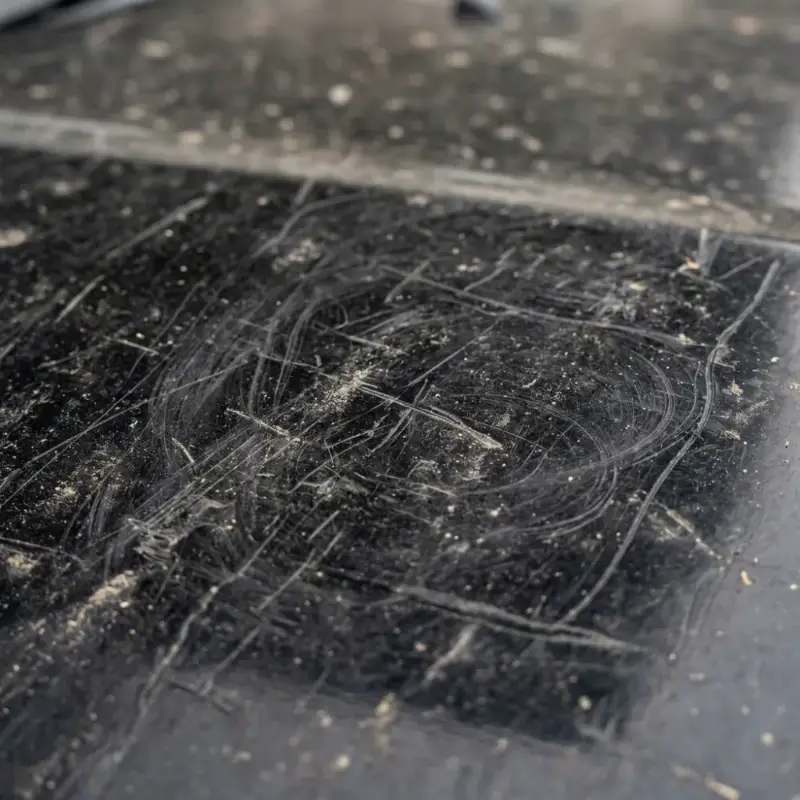
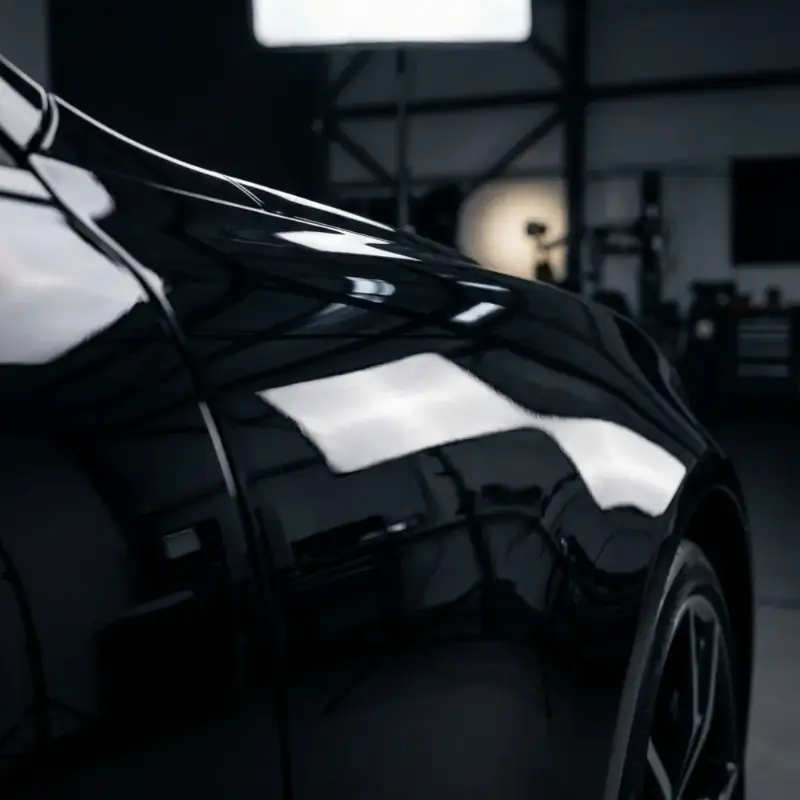
Swirls are fine, circular scratches that look like a spider web when the sun or a streetlight hits the paint. They come mostly from washing and drying: brush car washes, dirty sponges, reused towels and wiping dust off a dry car. Dark colors show them most, which is why black and dark blue cars often look “dull” even when they’re clean.
Swirls sit in the top of the clear coat, so they are usually the easiest defect to correct. In many cases a single polishing stage brings back most of the gloss; heavier swirling may need a cutting stage followed by a finishing polish.
Scratches: which ones polish out?
Not every scratch is the same depth. A simple way to judge it is the fingernail test: run a fingernail gently across the scratch.
- Your nail doesn’t catch. The scratch is likely in the clear coat and can usually be reduced a lot or removed with polishing. Our light scratch removal service is built for this.
- Your nail catches slightly. It may be improved and made far less visible, but some of it can remain.
- You can see a different color, primer or bare metal. The scratch has gone through the clear coat. Polishing can’t put paint back; that needs touch-up or body shop work.
Rock chips on the front bumper and hood fall into the last group too. Correction can clean up the paint around them, but the chip itself stays.
Oxidation: faded, chalky paint
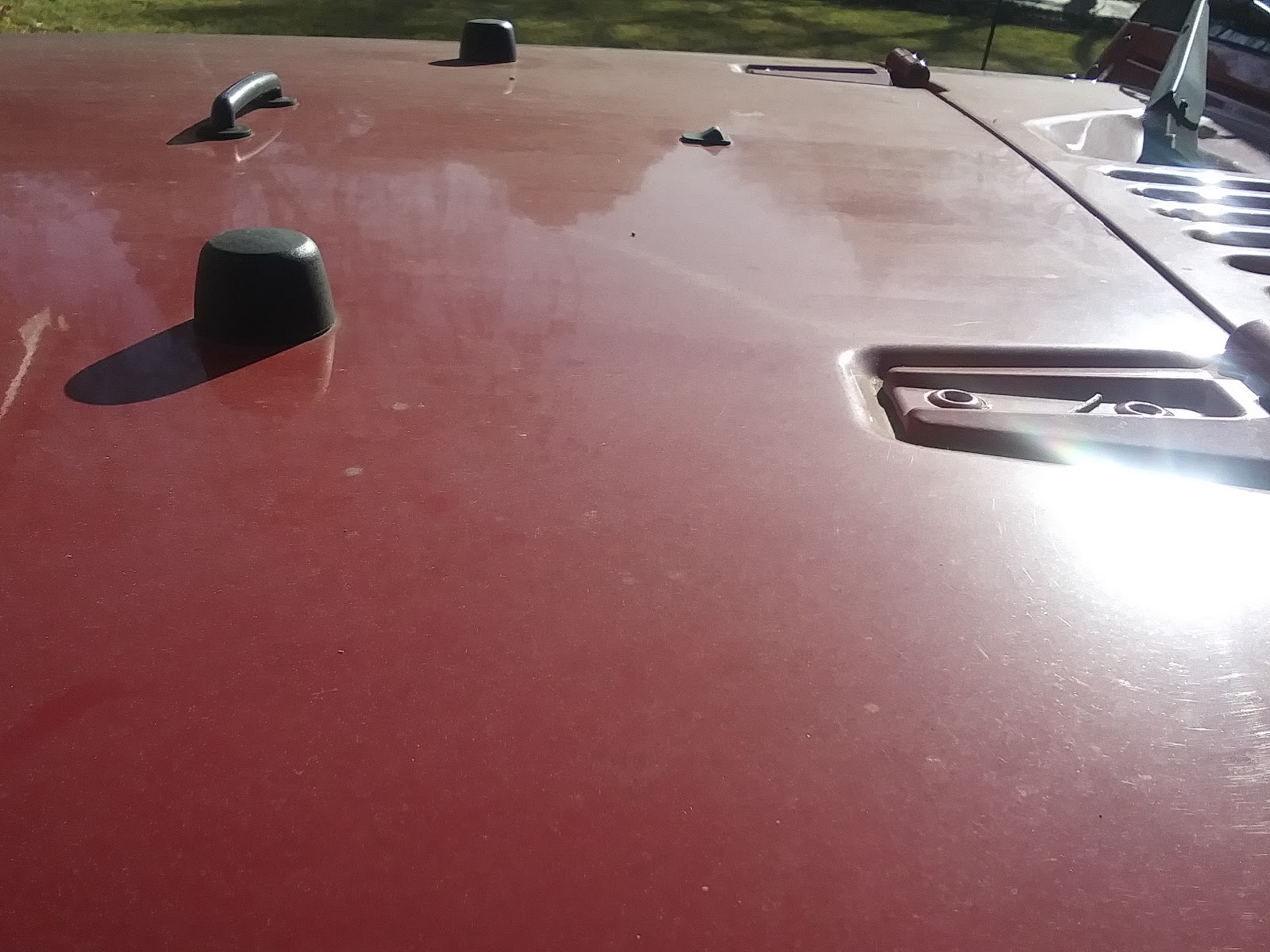
Oxidation is what happens when UV and weather break down the top of the paint over time. It looks faded, flat or slightly chalky, and it’s common on red, older single-stage paint and cars that have lived outside for years. In the Bay Area, inland cities get long sunny summers that bake paint, while cars near the coast deal with fog, salt air and damp mornings that leave a film behind.
Light to moderate oxidation can often be polished away to reveal fresher paint underneath, which is what our color correction service focuses on. If the clear coat is already peeling or flaking, though, polishing won’t fix it; that panel needs refinishing.
How car paint correction is done
- Inspect the paint. We look at it in good light to see swirls, scratches, water spots and oxidation, and talk about what bothers you most.
- Wash and decontaminate. A careful hand wash, then decontamination to remove bonded grime, sap and fallout so it isn’t ground into the paint while polishing.
- Test spot. A small area is polished first to find the gentlest pad and product combination that gets the result.
- Correct panel by panel. Each panel is polished in sections, wiped down and checked before moving on.
- Finish and protect. The paint is refined for gloss and then protected with a sealant or ceramic coating.
See our paint correction service and machine polish for how we handle this on site at your home or office.
What affects paint correction cost?
There’s no single price for paint correction, because no two cars are in the same condition. Here’s what makes a job bigger or smaller:
- Paint condition. Light swirls on a newer car take far less time than heavy swirling, scratches and oxidation on an older one.
- How much of the car. Correcting a hood or one panel costs less than the whole car.
- Size of the vehicle. A coupe has less paint than a full-size SUV or truck.
- Number of stages. One polishing stage is quicker than cutting plus finishing.
- Paint type. Some paints are soft and mar easily; others are very hard and slow to correct.
- Protection afterwards. Adding a ceramic coating is a separate step on top of the correction.
Our paint correction is included with our exterior detailing and is also available on its own. Standalone correction is priced per car after we’ve seen the paint, and you’ll always know the price before any work starts. You can see our current flat-rate prices on the pricing page and in our Bay Area detailing price guide.
How to keep swirls from coming back
- Skip brush car washes; they are the fastest way to put swirls back.
- Use the two-bucket method, a clean wash mitt and plenty of soapy water.
- Dry with a clean, soft microfiber towel, and never wipe dust off a dry car.
- Remove sap and bird droppings quickly, before the sun bakes them in.
- Protect the corrected paint with a sealant or ceramic coating, and follow our tips on protecting your paint through Bay Area weather.
Paint correction: quick answers
What does paint correction fix?
Swirl marks, light clear-coat scratches, haze, light oxidation and many water spots. It levels the clear coat so the paint reflects evenly again.
Can paint correction remove deep scratches?
Not fully. If your fingernail catches or you can see primer or metal, the scratch has gone through the clear coat. Correction can make it less visible, but it needs touch-up or body work to disappear.
How much does paint correction cost?
It depends on the paint’s condition, the size of the car, how much of it is corrected and how many stages it needs. Our paint correction is included with exterior detailing and also available standalone, priced per car after we see the paint.
How long does paint correction take?
Most jobs take between one and four hours depending on the car and its condition. We’ll give you an estimate when you book.
Should I get a ceramic coating after paint correction?
It’s a good idea. Correction removes the defects; a sealant or ceramic coating protects the fresh finish and makes washing easier, so it stays swirl-free longer.
Want your paint looking deep and glossy again? Call (650) 346-8793 or book online.
Ready to Bring Your Paint Back?
Two ways to get on the schedule. Either way, we come to you.

Mobile car detailing, paint correction and ceramic coating across the San Francisco Bay Area since 2018.